Schengen Visa for UK Travellers What You Need to Know Before Applying
A Schengen visa application can feel simple at first, then suddenly turn into a puzzle of appointments, bank statements, hotel bookings, passport rules, travel insurance, and changing country requirements.
For UK-based travellers, the first thing to know is this: not every traveller in the UK needs a Schengen visa. British citizens can usually visit the Schengen Area for short stays without applying for a visa, subject to the 90 days in any 180-day period rule. Many UK residents who hold other passports may need a Schengen visa before travelling.
That distinction matters. Applying when you do not need to can waste time. Not applying when you do need to can stop a trip before it starts.
This guide explains the essentials in plain English, so you can understand who needs a Schengen visa, what documents are usually required, how the process works, and where applicants most often go wrong.

Understand whether you need a Schengen visa
The Schengen Area is a group of European countries that have removed routine border checks between each other for short-stay travel. It includes popular destinations such as France, Spain, Italy, Germany, Greece, Portugal, the Netherlands, Austria and many others.
The Schengen Area is not exactly the same as the European Union. Some EU countries are in Schengen, some are not, and some non-EU countries are part of Schengen. This is one reason travel rules can feel confusing.
For short tourist trips, the key difference is usually your nationality, not simply where you live.
British citizens usually do not need a short-stay Schengen visa
If you hold a full British citizen passport, you can usually visit Schengen countries for tourism, family visits, short business trips or transit without a visa for up to 90 days in any 180-day period.
That does not mean there are no rules. Border officers may still ask for:
A valid passport
Proof of accommodation
Return or onward travel
Travel insurance
Evidence that you can support yourself
A clear reason for your visit
Your passport also needs to meet Schengen entry rules. In general, it should have been issued less than 10 years before the date you enter the Schengen Area and be valid for at least three months after the date you plan to leave. Always check the latest country-specific rules before travelling, as airlines and border authorities can be strict.
UK residents with non-UK passports may need a visa
If you live in the UK but travel on a passport from a country that does not have visa-free access to Schengen, you will usually need to apply for a Schengen visa before your trip.
This includes many people who are settled in the UK, hold a UK biometric residence permit or eVisa, or have long-term permission to stay in the UK. UK residence can support an application, but it does not automatically give Schengen visa-free travel.
A standard short-stay Schengen visa is often called a Type C visa. It can allow travel for tourism, visiting family or friends, short business activity, events, conferences, medical visits, or transit, depending on the purpose stated in the application.
A UK residence permit can show that you legally live in the UK, but your passport nationality usually decides whether you need a Schengen visa.
Know where to apply and when to start
One of the most common mistakes is applying to the wrong country. Schengen visas are not handled by one single embassy for all of Europe. You apply through the country linked to your trip.
Choose the right Schengen country for your application
Use this order:
Travel plan | Where to apply |
Visiting one Schengen country only | Apply to that country |
Visiting several countries, with one main destination | Apply to the country where you will spend the most time |
Visiting several countries for equal time | Apply to the country you enter first |
Taking a cruise with several Schengen stops | Usually apply based on the main destination, longest stay, or first Schengen entry, depending on the route |
For example, if you fly from London to Paris, stay in France for five nights, then travel to Belgium for two nights, France is normally the right country for the application.
If you spend three nights in Spain and three nights in Portugal, and you enter through Spain first, Spain may be the correct place to apply.
Cruises need extra care because the route may include Schengen and non-Schengen ports. The visa decision can depend on the first Schengen port, the longest stay, or the cruise itinerary as a whole.

Start earlier than you think
Schengen appointment availability can vary a lot, especially before school holidays, summer breaks, Christmas markets, Easter travel and major events.
You should leave enough time for:
Checking the correct visa category
Preparing documents
Booking an appointment
Attending biometrics
Waiting for a decision
Allowing for possible extra document requests
Many travellers focus only on the official processing time and forget the waiting time for an appointment. That can be the real bottleneck.
Do not pay for non-refundable flights, hotels or tours unless you understand the risk. Some applicants use refundable bookings or reservations that meet the consulate’s requirements. The key is that your itinerary must be credible and consistent.
Prepare the documents most applications ask for
Every Schengen country sets its own exact checklist, and visa centres may update requirements. Still, most short-stay applications ask for a similar set of documents.
Think of the documents as telling one clear story: who you are, where you are going, why you are going, how you will pay for it, and why you will return to the UK.
Your core application documents
Most applicants will need:
A completed Schengen visa application form
A valid passport with blank visa pages
A UK residence permit or digital immigration status evidence, if applicable
Recent passport-style photographs that meet the required format
Travel insurance that covers Schengen requirements
Flight reservation or travel itinerary
Accommodation booking or invitation letter
Recent bank statements
Employment letter, business documents, student letter, or other proof of circumstances
Evidence of ties to the UK
Previous passports or visas, if requested
Travel insurance is often checked closely. It usually needs to cover emergency medical treatment and repatriation across the Schengen Area for the full travel period, with the required minimum level of cover.
Bank statements should be clear, recent and consistent with your stated trip. Sudden large deposits with no explanation can raise questions. If someone else is paying for the trip, sponsorship documents may be needed.
Your itinerary should match your documents
A strong application is not about adding as much paperwork as possible. It is about making the application easy to understand.
Your dates should match across:
Application form
Flight reservation
Hotel booking
Travel insurance
Employer or university letter
Invitation letter
Cruise itinerary or tour plan
If your application says you will spend seven days in Italy, but your hotel booking only covers three nights, the visa officer may not have enough confidence in your plan.
Proof of UK ties can be important
Applicants are often asked to show reasons they will return to the UK after the trip. This may include work, study, family responsibilities, property, ongoing commitments, or lawful residence.
Useful evidence can include:
A letter from an employer confirming your role, start date, salary and approved leave
Recent payslips
A student enrolment letter
Business registration documents
Tenancy agreement or mortgage statement
Evidence of family responsibilities, where relevant
The right documents depend on personal circumstances. A student, a self-employed person, a retired traveller and a sponsored family visitor will not all have the same evidence.

Know what happens at the appointment
Most Schengen visa applicants attend an appointment at a visa application centre or, in some cases, directly with a consulate. The appointment is where you submit documents and provide biometric data.
Biometrics usually means fingerprints and a photograph. If you have given Schengen biometrics recently, you may not always need to give them again, but this depends on the rules and your application.
At the appointment, staff may:
Check your appointment details
Review your application form
Take your documents
Capture biometrics
Collect the visa fee and service charges
Offer optional paid services, such as courier return
Optional services are not the same as visa approval. Paying for extra services does not guarantee a positive decision.
After submission, your application goes for assessment. The visa centre does not usually decide the outcome. The consulate or visa authority does.
Single-entry and multiple-entry visas are different
A single-entry visa usually allows one entry into the Schengen Area. Once you leave, you cannot re-enter on the same visa, even if the visa dates have not expired.
A multiple-entry visa can allow more than one entry during its validity period, but you must still follow the 90 days in any 180-day period rule.
Do not assume you will get a multiple-entry visa because you ask for one. Visa validity depends on your travel history, documents, purpose of travel, and the decision-maker’s assessment.
Check the visa sticker carefully
If your visa is approved, check the sticker as soon as your passport is returned.
Look at:
Your name and passport number
Valid from and valid until dates
Number of entries
Duration of stay
Schengen states covered, if limited
Any remarks
If something looks wrong, raise it quickly with the visa centre or issuing authority. Do not wait until the day before travel.
Avoid the mistakes that delay or weaken applications
Many Schengen visa refusals and delays come from avoidable issues. The application may not be dishonest or weak overall, but small inconsistencies can make it harder to assess.
Applying through the wrong country
This is one of the biggest problems. If your main trip is to France but you apply through Spain because appointments are easier to find, the application may be refused or questioned.
Your visa should match your genuine travel plan.
Submitting unclear financial evidence
Bank statements should show enough funds for the trip and a normal pattern of income or support. If money has been transferred in by a sponsor, explain it with documents.
Do not submit cropped screenshots if proper statements are required. Many consulates want official statements showing your name, account details, transactions and dates.
Using an itinerary that does not make sense
A rushed itinerary with too many countries can look unrealistic. Five countries in six days may be possible on paper, but it can raise questions if bookings, travel times and funds do not support it.
This is especially true for first-time applicants. A clear city break, family visit, cruise, or well-planned two-country holiday is often easier to evidence than an overcomplicated route.
Forgetting the 90 day rule
Visa-free British travellers and Schengen visa holders both need to pay attention to time spent in the area. The 90 days in any 180-day period rule is rolling, not fixed by calendar year.
If you visit often, keep a record of entry and exit dates. Overstaying can affect future travel.
Treating a visa as a guarantee of entry
A visa allows you to travel to the border and request entry. Border officers can still ask questions and check documents. Carry key evidence with you, especially hotel details, return tickets, insurance and proof of funds.
Plan the trip as well as the visa
A good Schengen application starts with a realistic trip. Visa documents are easier when your travel plan is clear.
Before applying, decide:
Which country is the main destination
The exact travel dates
Whether you will visit friends, stay in hotels, join a cruise, or book a tour
How you will travel between cities
Whether your insurance covers the whole route
What documents your employment, study or personal situation can support
For a first Schengen trip from the UK, a simple itinerary may be best. For example, a long weekend in Paris, a week in Italy, a family visit in Germany, or a Spain and Portugal trip with clear dates and transport.
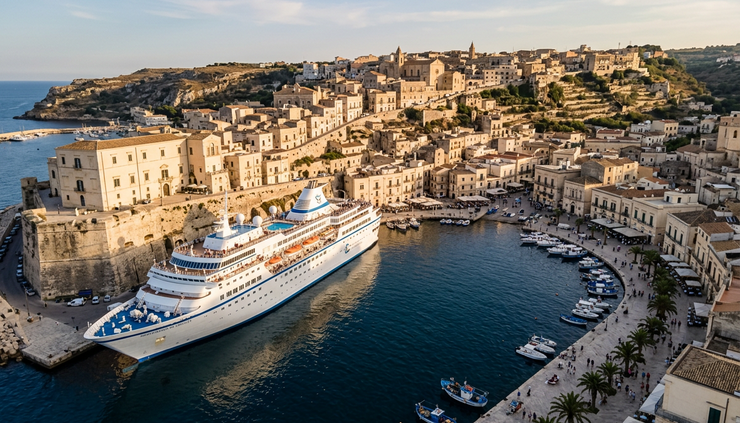
Cruise travellers should pay close attention to port order and overnight locations. Some cruises start outside Schengen, enter Schengen ports, then leave again. That can affect the country you apply through and the type of entry you need.
How Voya Guide can help
Schengen rules are manageable when the trip, documents and timing all line up. The challenge is knowing what applies to your situation.
Voya Guide supports UK-based travellers with friendly, practical travel and visa guidance. That can include understanding whether a Schengen visa is needed, checking the right country to apply through, reviewing document checklists, planning suitable itineraries, and preparing for appointments.
The aim is not to make travel feel more complicated. It is to make each step clearer, so you can apply with more confidence and avoid common mistakes.
Voya Guide — Your Journey. Our Guidance.
This article is for general information only and is not legal advice. Visa rules, document requirements and appointment processes can change, so always check the latest guidance from the relevant embassy, consulate or visa application centre before applying.
A Schengen visa application is strongest when it tells a clear, honest and consistent story. Start early, choose the right country, prepare documents that match your travel plan, and check every detail before submission. If you feel unsure, getting guidance before you apply can save time, stress and avoidable errors.

Comments